Tuesday, 27 May 2025

The Beach List๐ŸŒŠ

 The Beach List๐ŸŒŠ

________________________________

beach is a narrow, gently sloping strip of land that lies along the edge of an ocean, lake, or river. Materials such as sandpebbles, rocks, and seashell fragments cover beaches.


Most beach materials are the products of weathering and erosion. Over many years, water and wind wear away at the land. The continual action of waves beating against a rocky cliff, for example, may cause some rocks to come loose. Huge boulders can be worn down to tiny grains of sand.

Beach materials may travel long distances, carried by wind and waves. As the tide comes in, for example, it deposits ocean sediment. This sediment may contain sand, shells, seaweed, even marine organisms like crabs or sea anemones. When the tide goes out, it takes some sediment with it.

Tides and ocean currents can carry sediment a few meters or hundreds of kilometers away. Tides and currents are the main way beaches are created, changed, and even destroyed, as the currents move sediment and debris from one place to another.

__________________________________________________________

Beach Berms

_________________________________________________

________________________________________________
Every beach has a beach profile. A beach profile describes the landscape of the beach, both above the water and below it. Beaches can be warm, and rich in vegetation such as palm or mangrove trees. Beaches can also be barren desert coastlines. Other beaches are cold and rocky, while beaches in the Arctic and Antarctic are frozen almost all year.

The area above the water, including the intertidal zone, is known as the beach berm. Beach berm can include vegetation, such as trees, shrubs, or grasses. The most familiar characteristic of a beach berm is its type of sand or rock.
______________________________________________________________________________

sandy
_______________________________________________________

_______________________________________________________

Most beach sand comes from several different sources. Some sand may be eroded bits of a rocky reef just offshore. Others may be eroded rock from nearby cliffs. Pensacola Beach, in the U.S. state of Florida, for instance, has white, sandy beaches. Some sand is eroded from rocks and minerals in the Gulf of Mexico. Most sand, however, is made of tiny particles of weathered quartz from the Appalachian Mountains,

___________________________________________________________

hundreds of kilometers away. 

______________________________________________________

_______________________________________________________

The sandy beaches surrounding Chameis Bay, Namibia, are also full of quartz and seashells. However, the beaches of Chameis Bay contain another type of rock—diamonds. Mining companies have dug mines both on the beach and offshore to excavate these precious stones. Other gems, such as sapphires, emeralds, and garnets, are present on many beaches throughout the world, as tiny grains of sand.

___________________________________________________________________________________

Rocky

_______________________________________________________


_______________________________________________________

Some beach berms are not sandy at all. They are covered with flat pebbles called shingles or rounded rocks known as cobbles. Such beaches are common along the coasts of the British Isles. Hastings Beach, a shingle beach on the southern coast of England, has been a dock for fishing boats for more than a thousand years.

A storm beach is a type of shingle beach that is often hit by heavy storms. Strong waves and winds batter storm beaches into narrow, steep landforms. The shingles on storm beaches are usually small near the water and large at the highest elevation.

___________________________________________________________________________________

Other types of beaches

_______________________________________________________

_______________________________________________________

Some beaches, called barrier beaches, protect the mainland from the battering of ocean waves. These beaches may lie at the heads of islands called barrier islands. Many barrier beaches and barrier islands stretch along the Atlantic and Gulf coasts of the United States. These narrow beaches form barriers between the open ocean and protected harbors, lagoons, and sounds.

_________________________________________________________

Ocean Whispers

__________________________________________________________

_________________________________________
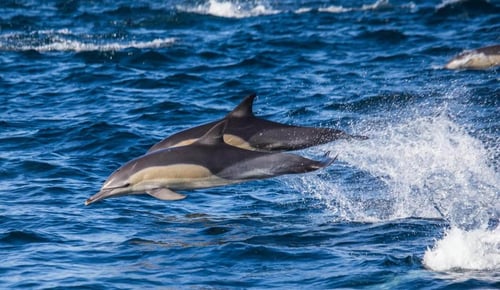
Are Dolphin Fish?

short-beaked_common_dolphin

Warm Blooded

Warm-blooded means that their body is able to regulate its own temperature, so they stay warm even when the water temperatures around them are cold. Some of their native environments, such as the waters of the northern Pacific Ocean, can get very chilly. In these places, being warm-blooded is a big advantage for survival. Being warm-blooded also makes dolphins and other cetaceans less prone to infections and other health conditions that affect cold-blooded species.

Lungs, Not Gills

Another central feature of marine mammals is that they have lungs, not gills. Dolphins, like whales, need to periodically come to the surface to replenish their air supply. They have blowholes that they close while diving, and then open at the surface for air.

Marine mammals have also adapted in some special ways to thrive in an aquatic environment. For instance, dolphins exchange 80% of the air in their lungs with each breath, while humans are only capable of exchanging 17%. Marine mammals also have a greater capacity for oxygen storage in their lungs, blood, and muscles. All of this creates a more efficient use of the oxygen in their bodies and is what allows many species to dive for extended periods of time.

______________________________________________

Beach Shell

__________________________________________________________

___________________________________________________________

One of the most striking features of our beaches is seashells. Their whorls, curves, and shiny iridescent insides are the remains of animals. Most shells come from soft-bodied mollusks. Snails, clams, oysters, and others need the hard protection of their shells. This tough outer covering protects the tasty body hiding inside. Other animals, such as crabs and lobsters, also make a tough outer covering, but here we focus on mollusk shells.

Where do shells come from? The animals make them. Mollusks have an outermost layer of tissue on their bodies. Called the mantle, this layer connects the animal to its shell. The mantle also creates that shell.

Specialized cells in the mantle build the shell using proteins and minerals. These are secreted—released into the space outside the cells. There, the proteins create a framework that provides support for the growing shell. The proteins in the framework also determine which minerals are used in specific parts of the shell.
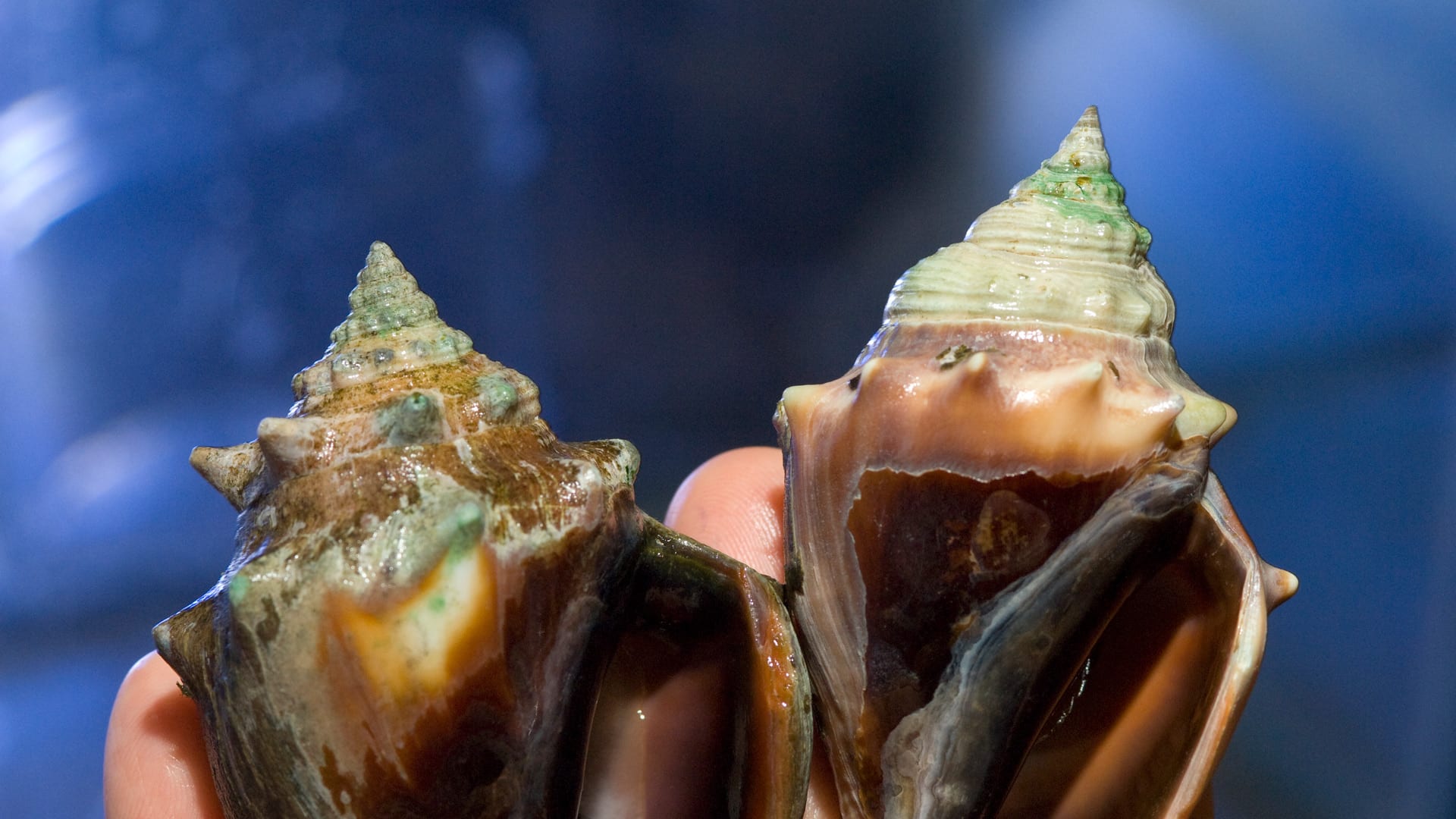
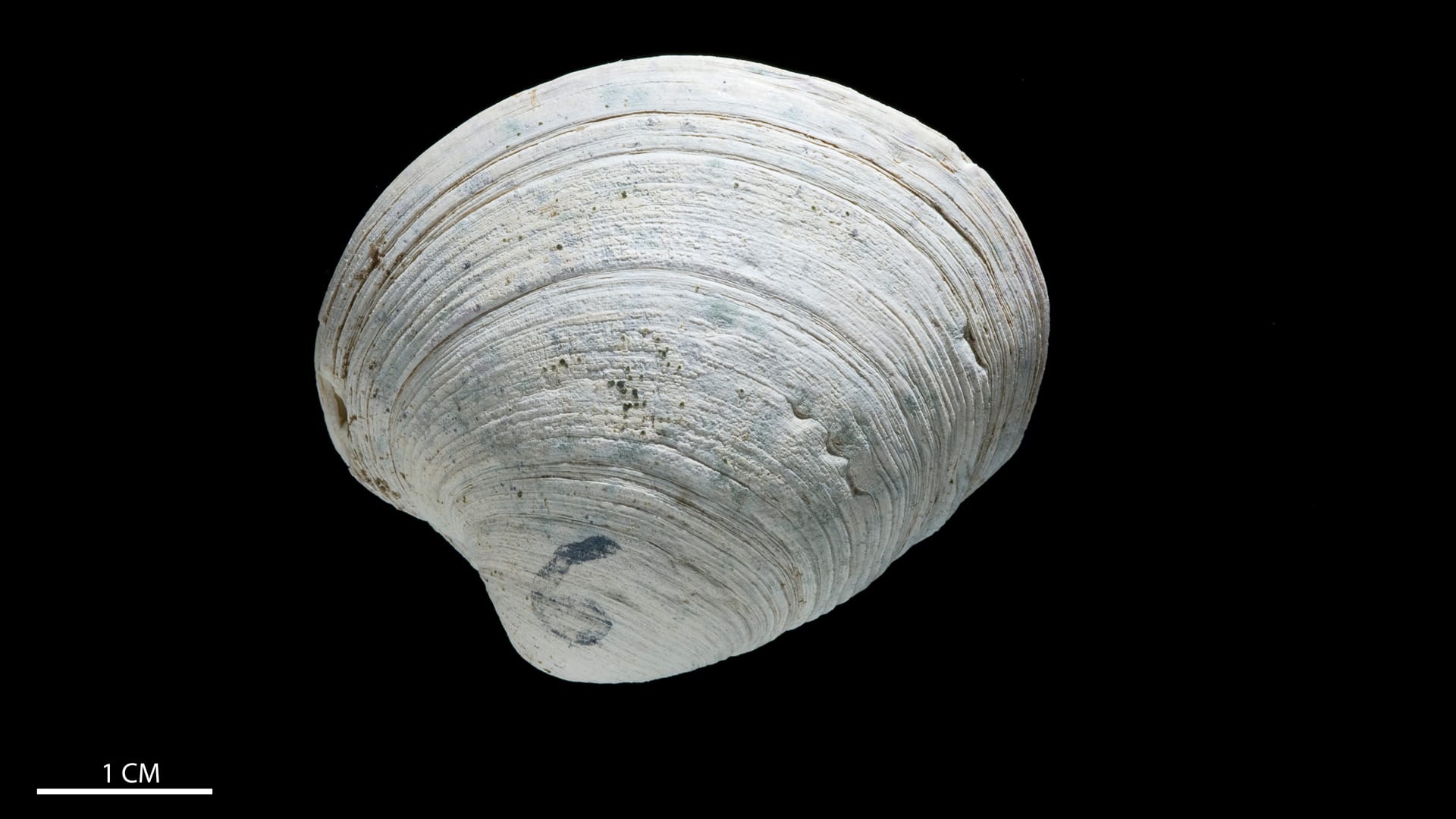
Scientists are investigating how higher CO2 levels in sea water effects animals' abilities to create shells. Here, conchs (Strombs alates), deteriorated (left), but surprisingly, some thrived


 Travel

Travel is the activity of going from one place to another place.[1] When a person makes the same trip every day to work or school, this type of traveling is usually called "commuting." Some people travel to other cities as part of their job. This is called "business travel." When many people travel to a distant place to stay, it is called "human migration".

Some people travel on their vacation, to visit other towns, cities, or countries. This is tourism. These people stay overnight in hotels, hostels, motels, apartments or bed and breakfast. Some prefer camping. Through the centuries, modes of travel have changed. Some people (travel writers) write about travelling, as in autobiographies or journals. Some write guide books suggesting places to go.

Types of travelling:

Famous travelers

Adventure Travel

Adventure travel is a type of tourism, involving exploration or travel with a certain degree of risk (real or perceived), and which may require special skills and physical exertion. In the United States, adventure tourism has seen growth in late 20th and early 21st century as tourists seek out-of-the-ordinary or "roads less traveled" vacations, but lack of a clear operational definition has hampered measurement of market size and growth. According to the U.S.-based Adventure Travel Trade Association, adventure travel may be any tourist activity that includes physical activity, a cultural exchange, and connection with outdoor activities and nature.[1]

Adventure tourists may have the motivation to achieve mental states characterized as rush or flow,[2] resulting from stepping outside their comfort zone. This may be from experiencing culture shock or by performing acts requiring significant effort and involve some degree of risk, real or perceived, or physical danger. This may include activities such as mountaineeringtrekkingbungee jumpingmountain bikingcyclingcanoeingscuba divingraftingkayakingzip-liningparaglidinghikingexploringGeocachingcanyoneeringsandboardingcaving and rock climbing.[3] Some obscure forms of adventure travel include disaster and ghetto tourism.[4] Other rising forms of adventure travel include social and jungle tourism.

Access to inexpensive consumer technology, with respect to Global Positioning Systems, flash packing, social networking and photography, have increased the worldwide interest in adventure travel. The interest in independent adventure travel has also increased as more specialist travel websites emerge offering previously niche locations and sports.

Adventure sports tourism has traditionally been dominated by men. Although women's participation has grown, the gender gap is still pronounced in terms of quantitative engagement in these forms of sport tourism. Yet, in competitive adventure sport tourism, the success rate of females is currently higher than that of males 

__________________________________________________________________________

Culture Travel

__________________________________________________________________________

__________________________________________________________________________________

Cultural travel is a type of travel that emphasizes experiencing life within a foreign culture, rather than from the outside as a temporary visitor. Cultural travelers leave their home environment at home, bringing only themselves and a desire to become part of the culture they visit. Cultural travel goes beyond cultural exploration or discovery; it involves a transformation in way of life.

This definition was first used by Gary Langer "Travel to Learn". Transitions Abroad1. Transitions Abroad Publishing: 12–15. March 1977. as a way of describing travel that requires a "transition" to a new level of understanding of and appreciation for a foreign culture.

The term is often distorted and misused by travel agents, tour operators and international tourism organizations. Culture primarily has to do with people and less with places or things. So visiting museums, touring ancient structures, attending festivals, and eating local food does not provide the same experience as becoming a member of the culture itself. .

Staying in local accommodations, or homestays, and getting immersed in local traditions with the locals you meet are forms of cultural travel. The goal of cultural travel is to understand the local culture by experiencing it.[1]

The antithesis of cultural travel is tourism, where people bring their home environment with them wherever they go and apply it to whatever they see.

__________________________________________________________________________

Business Travel

___________________________________________________________________________

___________________________________________________________________________________

Business travel is travel undertaken for work or business purposes, as opposed to other types of travel such as leisure trips or daily commuting between one’s home and workplace. It typically involves travelling - often by air, rail, or road - to attend meetings, conferences, trade shows, or other professional events that require in-person interactions.

Historically, in-person meetings have been viewed as critical for activities such as closing deals, networking, and conducting negotiations. However, advances in digital communication tools over the last few decades have started to reshape this landscape. The rise of videotelephony and other virtual collaboration technologies has made it increasingly feasible to hold effective meetings without requiring employees to travel, causing a recent reduction in business travel.

More recently, widespread adoption of remote work and virtual meeting solutions has further contributed to a reduction in business travel. Despite these shifts, in-person contact remains valuable for complex negotiations, building rapport and certain types of team-building activities. While digital tools will continue to curb unnecessary travel, there will still be a place for face-to-face meetings where personal interaction is pivotal to achieving business objectives.


The Beach List๐ŸŒŠ

 The Beach List ๐ŸŒŠ ________________________________ A  beach  is a narrow, gently sloping strip of land that lies along the edge of an ocean...