The Beach List🌊
________________________________
A beach is a narrow, gently sloping strip of land that lies along the edge of an ocean, lake, or river. Materials such as sand, pebbles, rocks, and seashell fragments cover beaches.

Most beach materials are the products of weathering and erosion. Over many years, water and wind wear away at the land. The continual action of waves beating against a rocky cliff, for example, may cause some rocks to come loose. Huge boulders can be worn down to tiny grains of sand.
Beach materials may travel long distances, carried by wind and waves. As the tide comes in, for example, it deposits ocean sediment. This sediment may contain sand, shells, seaweed, even marine organisms like crabs or sea anemones. When the tide goes out, it takes some sediment with it.
Tides and ocean currents can carry sediment a few meters or hundreds of kilometers away. Tides and currents are the main way beaches are created, changed, and even destroyed, as the currents move sediment and debris from one place to another.
__________________________________________________________
Beach Berms
_________________________________________________

Every beach has a beach profile. A beach profile describes the landscape of the beach, both above the water and below it. Beaches can be warm, and rich in vegetation such as palm or mangrove trees. Beaches can also be barren desert coastlines. Other beaches are cold and rocky, while beaches in the Arctic and Antarctic are frozen almost all year.
The area above the water, including the intertidal zone, is known as the beach berm. Beach berm can include vegetation, such as trees, shrubs, or grasses. The most familiar characteristic of a beach berm is its type of sand or rock.

Most beach sand comes from several different sources. Some sand may be eroded bits of a rocky reef just offshore. Others may be eroded rock from nearby cliffs. Pensacola Beach, in the U.S. state of Florida, for instance, has white, sandy beaches. Some sand is eroded from rocks and minerals in the Gulf of Mexico. Most sand, however, is made of tiny particles of weathered quartz from the Appalachian Mountains,
___________________________________________________________
hundreds of kilometers away.
______________________________________________________

The sandy beaches surrounding Chameis Bay, Namibia, are also full of quartz and seashells. However, the beaches of Chameis Bay contain another type of rock—diamonds. Mining companies have dug mines both on the beach and offshore to excavate these precious stones. Other gems, such as sapphires, emeralds, and garnets, are present on many beaches throughout the world, as tiny grains of sand.
___________________________________________________________________________________
Rocky
_______________________________________________________

_______________________________________________________
Some beach berms are not sandy at all. They are covered with flat pebbles called shingles or rounded rocks known as cobbles. Such beaches are common along the coasts of the British Isles. Hastings Beach, a shingle beach on the southern coast of England, has been a dock for fishing boats for more than a thousand years.
A storm beach is a type of shingle beach that is often hit by heavy storms. Strong waves and winds batter storm beaches into narrow, steep landforms. The shingles on storm beaches are usually small near the water and large at the highest elevation.
___________________________________________________________________________________
Other types of beaches
_______________________________________________________

Some beaches, called barrier beaches, protect the mainland from the battering of ocean waves. These beaches may lie at the heads of islands called barrier islands. Many barrier beaches and barrier islands stretch along the Atlantic and Gulf coasts of the United States. These narrow beaches form barriers between the open ocean and protected harbors, lagoons, and sounds.
_________________________________________________________
Ocean Whispers
__________________________________________________________

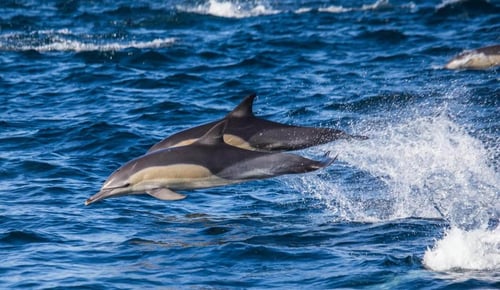
Warm Blooded
Warm-blooded means that their body is able to regulate its own temperature, so they stay warm even when the water temperatures around them are cold. Some of their native environments, such as the waters of the northern Pacific Ocean, can get very chilly. In these places, being warm-blooded is a big advantage for survival. Being warm-blooded also makes dolphins and other cetaceans less prone to infections and other health conditions that affect cold-blooded species.
Lungs, Not Gills
Another central feature of marine mammals is that they have lungs, not gills. Dolphins, like whales, need to periodically come to the surface to replenish their air supply. They have blowholes that they close while diving, and then open at the surface for air.
Marine mammals have also adapted in some special ways to thrive in an aquatic environment. For instance, dolphins exchange 80% of the air in their lungs with each breath, while humans are only capable of exchanging 17%. Marine mammals also have a greater capacity for oxygen storage in their lungs, blood, and muscles. All of this creates a more efficient use of the oxygen in their bodies and is what allows many species to dive for extended periods of time.
______________________________________________
Beach Shell
__________________________________________________________

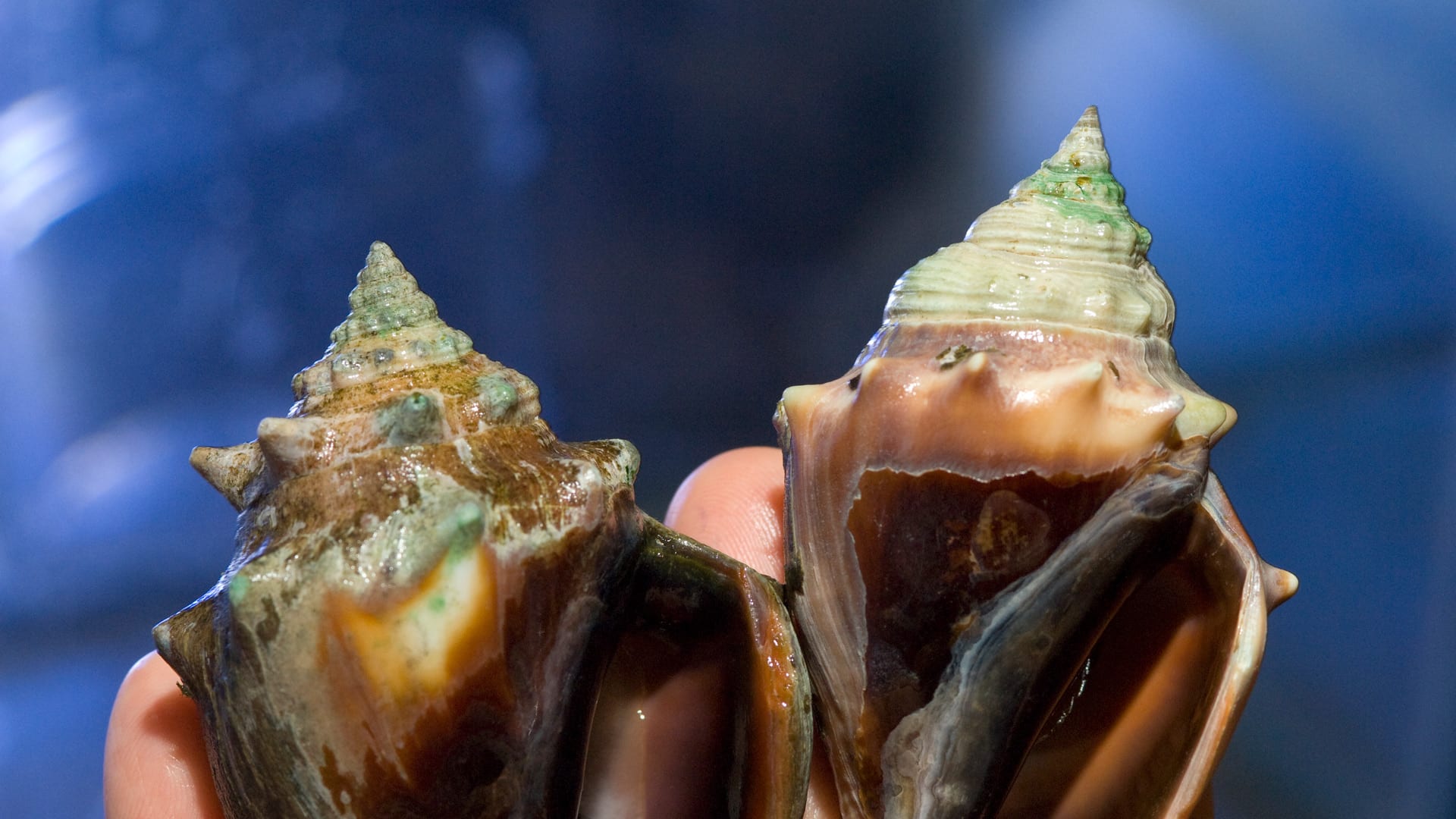
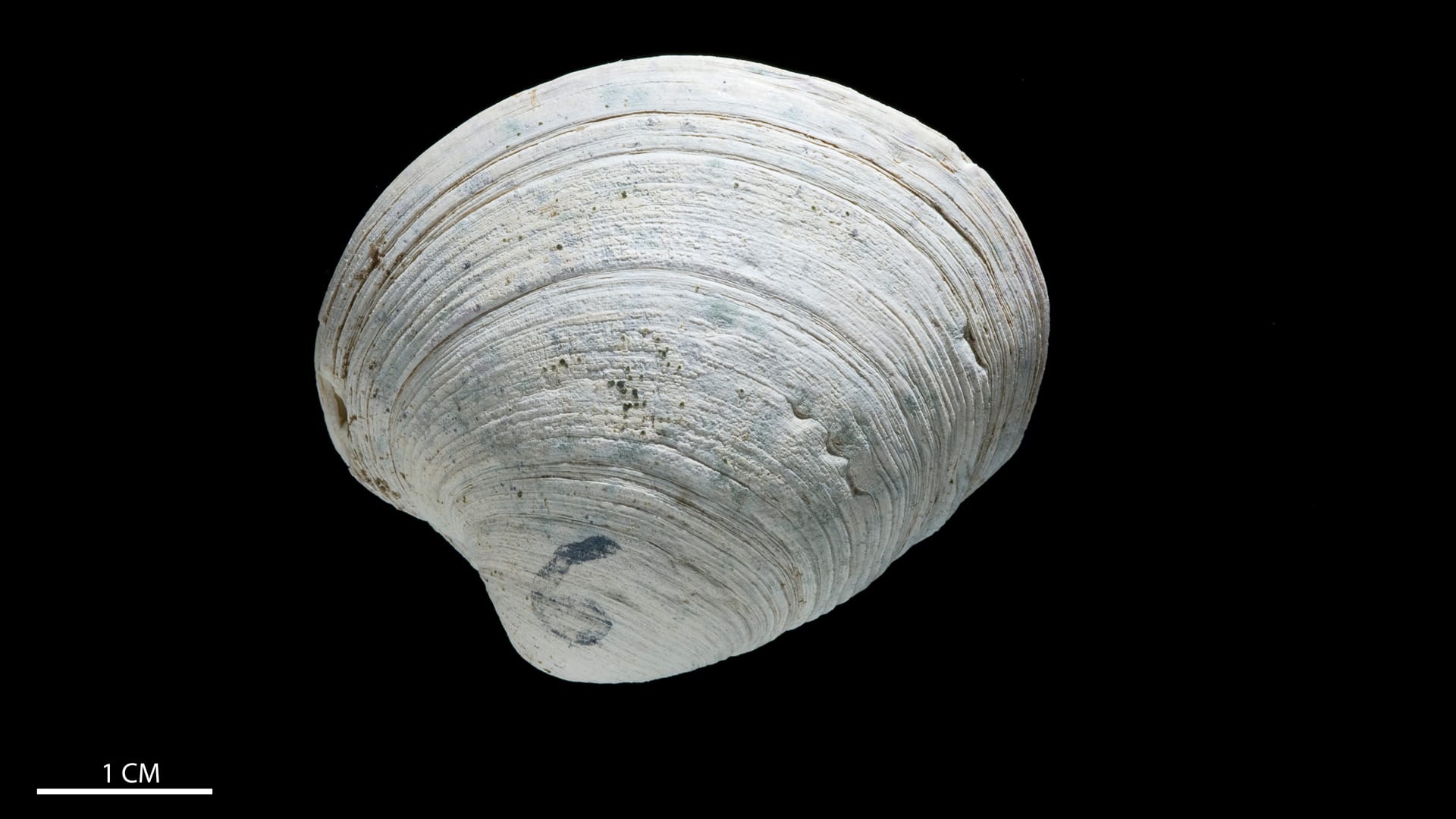
One of the most striking features of our beaches is seashells. Their whorls, curves, and shiny iridescent insides are the remains of animals. Most shells come from soft-bodied mollusks. Snails, clams, oysters, and others need the hard protection of their shells. This tough outer covering protects the tasty body hiding inside. Other animals, such as crabs and lobsters, also make a tough outer covering, but here we focus on mollusk shells.
Where do shells come from? The animals make them. Mollusks have an outermost layer of tissue on their bodies. Called the mantle, this layer connects the animal to its shell. The mantle also creates that shell.
Specialized cells in the mantle build the shell using proteins and minerals. These are secreted—released into the space outside the cells. There, the proteins create a framework that provides support for the growing shell. The proteins in the framework also determine which minerals are used in specific parts of the shell.


No comments:
Post a Comment